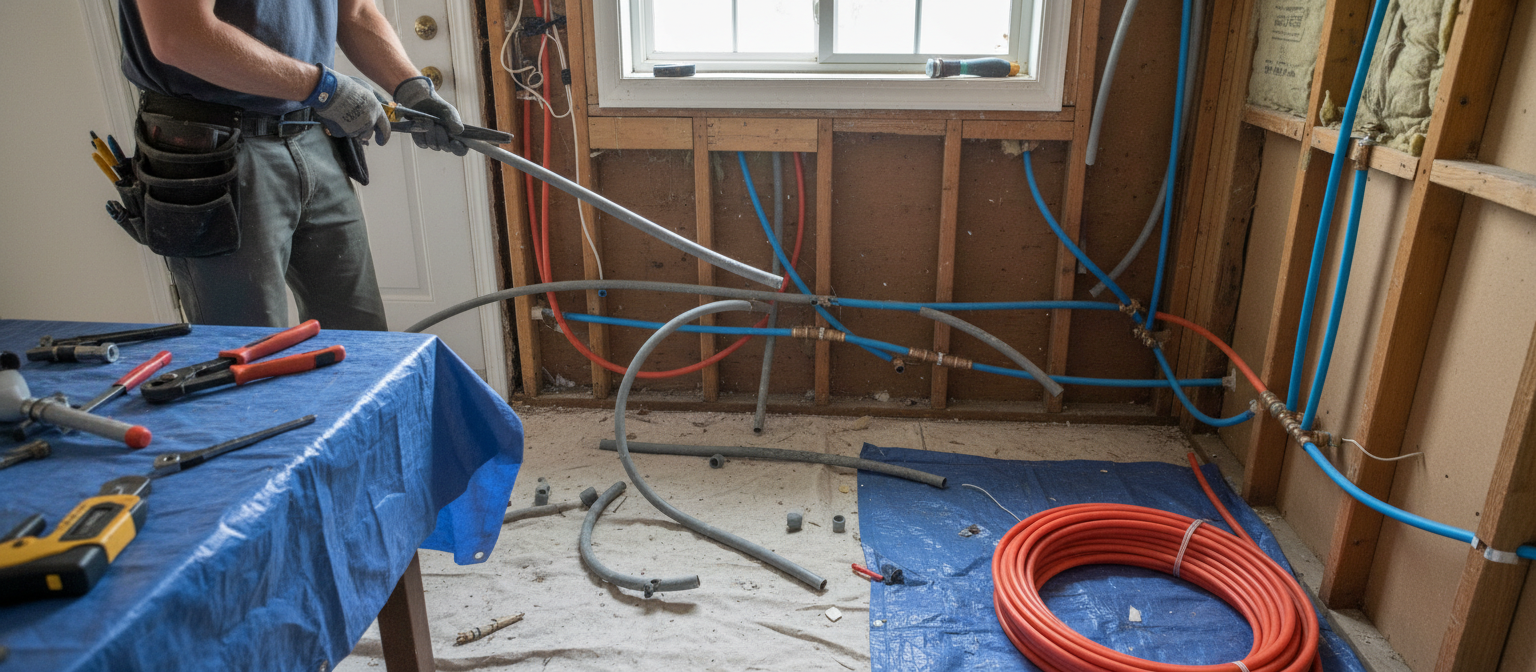
Polybutylene Pipe Replacement in San Jose
Critical replacement for gray polybutylene pipes found in 1978-1995 homes. Prevent catastrophic failures and insurance issues.
What Is Polybutylene Piping?
Polybutylene (PB) is a type of gray plastic resin that was widely used for residential water supply piping from 1978 through 1995. Marketed as an affordable, easy-to-install alternative to copper, polybutylene pipes were installed in an estimated 6 to 10 million homes across the United States during this period. Many San Jose homes built or remodeled during the late 1970s through mid-1990s still contain polybutylene plumbing systems.
The material was initially praised for its low cost and flexibility, making it popular among builders during the construction boom of the 1980s. However, within a decade of widespread adoption, reports of sudden pipe failures began to emerge across the country, leading to one of the largest class-action lawsuits in U.S. plumbing history. Polybutylene is no longer manufactured or approved for use in plumbing systems by any major building code.
Why Polybutylene Pipes Fail
The fundamental problem with polybutylene piping is its chemical incompatibility with treated municipal water supplies. The chlorine and chloramine disinfectants used to make drinking water safe cause a slow but relentless degradation of the polybutylene material itself. This failure mechanism is particularly concerning because it occurs invisibly from the inside out.
Chlorine Degradation Process
When chlorinated water flows through polybutylene pipes, the oxidizing agents in the water react with the plastic polymer chains. This chemical reaction causes the pipe walls to become increasingly brittle over time, developing microscopic cracks that progressively weaken the material structure. San Jose's water supply, treated with chloramine disinfection, accelerates this degradation process.
Fitting and Connector Failures
Beyond the pipe material itself, the acetyl (plastic) fittings commonly used with polybutylene systems are equally vulnerable to failure. These fittings crack and split at connection points, causing leaks at joints throughout the plumbing system. Even metal crimp-ring fittings can loosen over time as the pipe material around them softens and deforms.
Unpredictable Catastrophic Failure
The most dangerous aspect of polybutylene deterioration is its unpredictability. Pipes that appear intact from the outside can be severely compromised internally. Failures often occur suddenly and without warning, resulting in full pipe bursts that release hundreds of gallons of water per hour into wall cavities, ceilings, and flooring. A single burst polybutylene pipe can cause $20,000 to $50,000 or more in water damage to a home.
Insurance Implications for San Jose Homeowners
Polybutylene plumbing creates significant insurance challenges for San Jose homeowners. Understanding these implications is critical for protecting both your property and your financial security.
- Coverage denial: An increasing number of California insurance carriers refuse to write new policies for homes with known polybutylene plumbing systems. This can make it difficult or impossible to obtain homeowners insurance.
- Claim exclusions: Some insurers that do cover homes with polybutylene include explicit exclusions for water damage caused by polybutylene pipe failures. This means you could be fully responsible for tens of thousands of dollars in damage repair costs.
- Premium surcharges: Carriers that provide coverage for polybutylene homes often charge significantly higher premiums, adding hundreds or thousands of dollars annually to your insurance costs.
- Real estate complications: When selling a home with polybutylene pipes, buyers may have difficulty securing financing because their insurance options are limited. This can reduce your pool of potential buyers and lower your selling price.
Replacing polybutylene pipes proactively resolves all of these insurance issues and can result in premium reductions that partially offset the replacement cost over time.
How to Identify Polybutylene Pipes
Identifying polybutylene plumbing in your San Jose home requires checking several locations where pipes are visible. Use these guidelines to determine if your home has polybutylene.
- Color: Polybutylene pipes are most commonly gray in color, though they can also be white, silver, or occasionally black (for outdoor use). The gray color is the most reliable visual identifier for interior water supply lines.
- Markings: Look for the stamp "PB2110" printed on the pipe surface. This is the manufacturing code for polybutylene water supply piping. The markings may be faded on older pipes but are usually still legible.
- Size and flexibility: Polybutylene water supply pipes are typically half-inch or three-quarter-inch diameter and are noticeably flexible, similar in feel to modern PEX piping but with a distinctly smooth, waxy texture.
- Where to check: Examine pipes near the water heater, under bathroom and kitchen sinks, at the main water shut-off valve, in the crawl space or basement, and at the water meter connection point.
- Construction date: If your San Jose home was built between 1978 and 1995, it has a higher probability of containing polybutylene plumbing. Homes remodeled during this period may also have polybutylene in renovated sections.
Polybutylene Replacement Options
When replacing polybutylene pipes, San Jose homeowners can choose between two proven modern piping materials. Both eliminate the catastrophic failure risk associated with polybutylene and come with comprehensive warranties.
| Feature | PEX Replacement | Copper Replacement |
|---|---|---|
| Total Project Cost | $8,000 - $15,000 | $14,000 - $25,000 |
| Chlorine Resistance | Excellent (engineered for it) | Excellent (immune) |
| Expected Lifespan | 40-50 years | 50-70+ years |
| Installation Time | 1-2 days | 2-3 days |
| Wall Disruption | Minimal | Moderate |
| Insurance Acceptance | Universally accepted | Universally accepted |
| Freeze Protection | Superior (expands) | Good (rigid) |
PEX piping is the most popular choice for polybutylene replacement in San Jose because its flexible nature allows for similar routing paths as the original polybutylene, minimizing wall damage during installation. Copper piping is the premium alternative for homeowners prioritizing maximum longevity and home value. Both materials are fully approved by California building codes and accepted by all insurance carriers.
Why Immediate Replacement Is Critical
Unlike some plumbing issues that develop gradually and allow time for planning, polybutylene pipe failure represents an escalating risk that increases every day these pipes remain in service. Several factors make timely replacement essential for San Jose homeowners.
- Age acceleration: Most polybutylene pipes in San Jose homes are now 30 to 45 years old, well past their expected service life. The rate of deterioration increases as the material ages, making failures increasingly likely with each passing year.
- No warning signs: Unlike galvanized pipes that show gradual symptoms such as low water pressure and discolored water, polybutylene failures are typically sudden and catastrophic. There are no reliable early warning indicators.
- Water damage costs: Emergency water damage from a burst polybutylene pipe averages $20,000 to $50,000 for restoration, mold remediation, flooring replacement, and structural repair. This far exceeds the cost of planned replacement.
- Secondary damage: Water from burst pipes can damage electrical systems, personal belongings, furniture, and irreplaceable items. Mold growth from hidden moisture can create ongoing health issues and require expensive remediation.
Our Polybutylene Replacement Process
Our streamlined polybutylene replacement process is designed to minimize disruption while ensuring complete removal of all polybutylene piping from your home.
- Free inspection and assessment: Our licensed technician maps all polybutylene piping throughout your home, tests water pressure, inspects fittings for deterioration, and documents the complete scope of work needed.
- Detailed written estimate: You receive a comprehensive proposal covering materials, labor, permits, wall repair, and project timeline with no hidden costs or surprises.
- Permit and scheduling: We handle all City of San Jose building permits and schedule the work at your convenience, including same-week emergency scheduling when needed.
- Complete polybutylene removal: Every section of polybutylene piping and all associated fittings are removed from your home. We trace all supply lines through walls, ceilings, and crawl spaces to ensure nothing is left behind.
- New system installation: Your chosen replacement piping is installed to California Plumbing Code standards with proper support, insulation, and routing for optimal performance.
- Pressure testing and inspection: The new system is pressure tested at 80 PSI for a minimum of 15 minutes to verify every connection, followed by a City of San Jose building inspection.
- Restoration and warranty: All wall openings are patched, textured, and painted to match. Your lifetime warranty is registered covering both materials and labor.
Most polybutylene replacement projects are completed in 1-2 days for the plumbing work, with wall repairs finished within the same week. Contact us today to schedule your free inspection, or use our cost calculator for an immediate estimate.
Benefits of Polybutylene Replacement
Protect your home from catastrophic pipe failure
Eliminate Failure Risk
Remove the ticking time bomb of polybutylene pipes and replace them with proven modern materials that resist chlorine degradation and last decades.
Insurance Compliance
Restore full insurance coverage eligibility and potentially lower your premiums. Replacement documentation satisfies all carrier requirements.
Protect Your Investment
Planned replacement costs a fraction of emergency water damage repair. Protect your home's value and avoid the devastating costs of a burst pipe.
Polybutylene Replacement Questions
How do I know if my San Jose home has polybutylene pipes?
Why do polybutylene pipes fail?
Will my insurance cover polybutylene pipe damage?
How much does polybutylene pipe replacement cost in San Jose?
How urgent is polybutylene pipe replacement?
Can polybutylene pipes be repaired instead of replaced?
Other Repiping Services
Explore our full range of pipe replacement solutions
Whole House Repiping
Complete replacement of all water supply lines. Ideal for homes with aging or corroded pipes throughout the system.
Learn MorePEX Repiping
Most cost-effective option with flexible installation. Freeze-resistant and 25-40% less than copper repiping.
Learn MoreGalvanized Pipe Replacement
Specialized service for pre-1960 homes. Eliminates rust, corrosion, and water contamination from aging steel pipes.
Learn MoreDon't Wait for a Polybutylene Pipe Failure
Every day with polybutylene pipes increases your risk of catastrophic water damage. Contact us today for a free inspection and protect your San Jose home.