Sump pumps are standard equipment in basements across the Midwest and East Coast, but many San Jose homeowners have never even heard of one. That does not mean you do not need one. Between seasonal heavy rains, a rising water table in certain neighborhoods, and the unique challenges of hillside properties, sump pump installation in San Jose is more relevant than many people realize. As local plumbers who have helped homeowners deal with water intrusion for years, we want to break down exactly what sump pumps do, whether your home needs one, and what installation actually costs.
What Does a Sump Pump Actually Do?
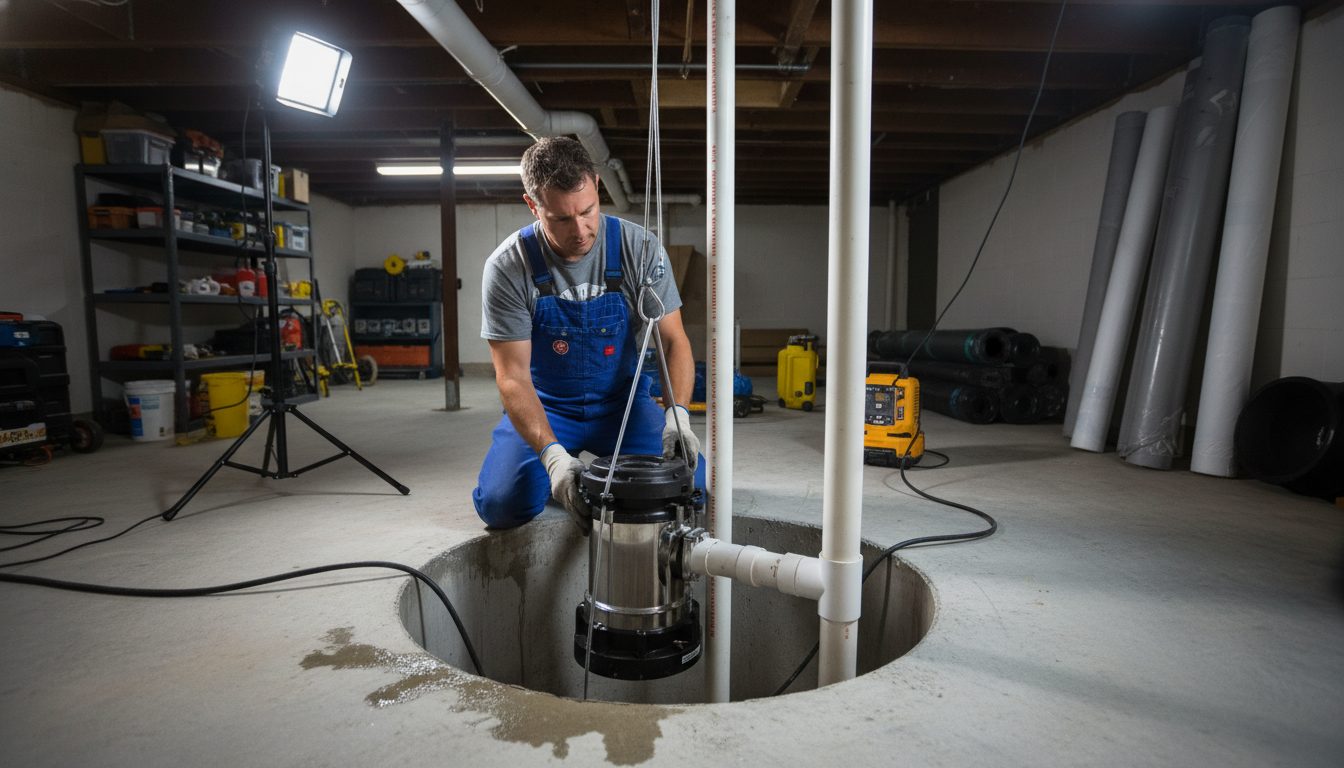
A sump pump is a small, electrically powered pump installed in a pit (called a sump basin or sump pit) at the lowest point of your home, typically in a basement, crawl space, or garage. Its job is simple but critical: when groundwater or surface water enters the pit, the pump activates automatically and pushes the water out through a discharge pipe, directing it away from your home's foundation.
The sump pit collects water through drain tiles (perforated pipes buried around the foundation) or through natural water seepage through the concrete slab. A float switch inside the pit detects when water reaches a certain level and triggers the pump. The entire process is automatic and runs without any input from you.
Think of it as an insurance policy against water damage. When the pump is working correctly, you never notice it. When it fails or is not there when you need it, the consequences can include flooded living spaces, destroyed belongings, mold growth, and foundation damage that costs tens of thousands of dollars to repair. For homes that also have aging water supply lines, combining sump pump installation with whole house repiping can address multiple water-related vulnerabilities at once.
Do San Jose Homes Actually Need Sump Pumps?
The short answer is: it depends on your specific property. San Jose is not a city where every home needs a sump pump, but certain conditions make one highly advisable. Here are the situations where we strongly recommend sump pump installation for San Jose homeowners:
- FEMA flood zones: Parts of San Jose, particularly areas near Coyote Creek, the Guadalupe River, and Alviso, are designated flood zones. If your property is in a FEMA-mapped flood zone, a sump pump is not optional, it is essential. The devastating Coyote Creek floods demonstrated how quickly water levels can rise in these areas.
- High water table: Some San Jose neighborhoods, especially in the northern and eastern parts of the city, have a water table that sits relatively close to the surface. During wet winters, this groundwater can seep up through your slab or into your crawl space. If you have ever noticed damp concrete, efflorescence (white mineral deposits) on basement walls, or musty smells during winter, a high water table may be the cause.
- Hillside homes: Properties in the foothills, such as those in the Alum Rock area, East San Jose hills, or near the Santa Cruz Mountains, face a different challenge. Water runs downhill, and homes built into hillsides can collect significant runoff during heavy rains. A sump pump with proper drainage channels can redirect this water before it enters your living space.
- Homes with basements or below-grade rooms: While basements are less common in California than in other states, many San Jose homes have below-grade bonus rooms, wine cellars, or finished garages that sit below the surrounding grade. These spaces are vulnerable to water intrusion.
- Properties with a history of water intrusion: If you have dealt with water in your crawl space, garage, or any below-grade area, even once, a sump pump is a smart investment. Water finds the path of least resistance, and once it has found a way in, it will return.
- Homes with slab leaks: If you have had a slab leak detected in your San Jose home, the moisture beneath your foundation may warrant a sump system to manage ongoing groundwater issues even after the leak is repaired.
Types of Sump Pumps: Submersible vs. Pedestal vs. Battery Backup
There are three main types of sump pumps, and each has distinct advantages. The right choice depends on your budget, the volume of water you need to manage, and how critical uninterrupted protection is for your property.
| Feature | Submersible | Pedestal | Battery Backup |
|---|---|---|---|
| Installation Cost | $1,000 - $2,500 | $800 - $1,500 | $500 - $1,200 (add-on) |
| Noise Level | Quiet (submerged in water) | Louder (motor above pit) | Moderate |
| Lifespan | 7 - 10 years | 15 - 25 years | 5 - 7 years (battery replacement every 2 - 3 years) |
| Power Outage Protection | None (requires electricity) | None (requires electricity) | Yes, runs on battery for 5 - 12 hours |
| Pumping Capacity | High (up to 5,000+ GPH) | Moderate (up to 3,000 GPH) | Low to moderate (up to 2,500 GPH) |
| Best For | Heavy water volume, finished basements, quiet operation | Budget-conscious, light to moderate water, easy maintenance | Paired with primary pump for storm and power outage protection |
Submersible pumps are the most popular choice for San Jose installations. The entire pump sits inside the sump pit, submerged in water. This design makes them quieter, more powerful, and less prone to overheating. The trade-off is a shorter lifespan compared to pedestal pumps because the motor is constantly exposed to water. For homes with finished below-grade spaces where noise matters, submersible is the clear winner.
Pedestal pumps have the motor mounted on a shaft above the sump pit, with only the impeller submerged. They are less expensive, easier to service (because the motor is accessible), and last significantly longer. The downside is they are noisier and less powerful. Pedestal pumps work well for crawl spaces or unfinished garages where noise is not a concern and water volume is moderate.
Battery backup pumps are not a primary pump, they are an add-on that kicks in when your primary pump fails or loses power. In San Jose, where winter storms can knock out power for hours or even days, a battery backup is something we recommend for any sump pump installation. A primary pump is useless during the exact conditions when you need it most if a power outage accompanies heavy rain. The battery backup runs independently and can keep your home protected for 5 to 12 hours depending on the model and water volume.
Sump Pump Installation Costs in San Jose
The total cost of sump pump installation in San Jose depends on whether you already have a sump pit, the type of pump you choose, and the complexity of the discharge plumbing. Here is a realistic breakdown for 2026:
- Sump pit excavation and construction (if none exists): $500 - $1,000. This involves cutting through the concrete slab, digging the pit, installing a liner, and patching the concrete.
- Submersible pump supply and installation: $800 - $1,800
- Pedestal pump supply and installation: $600 - $1,200
- Battery backup system (add-on): $500 - $1,200
- Discharge pipe routing: $200 - $500 depending on distance to the discharge point
- Check valve installation: $50 - $150 (prevents water from flowing back into the pit)
- Electrical work (dedicated circuit): $200 - $400 if a new GFCI outlet is needed near the sump pit
Total range for a complete new installation: $800 - $3,000, with most San Jose homeowners paying between $1,200 and $2,200 for a submersible pump with battery backup.
If you are replacing an existing sump pump, the cost drops significantly since the pit and discharge plumbing are already in place. A straightforward pump swap typically costs $400 to $800 including labor. For homeowners who are also considering upgrading their home's water supply lines, bundling sump pump installation with PEX repiping or copper repiping can reduce overall labor costs since both projects involve plumbing work in similar areas of the home. Use our repiping cost calculator to estimate your combined project costs.
Signs You Need a Sump Pump
If you are still unsure whether your San Jose home needs a sump pump, look for these telltale signs of water intrusion:
- Water stains or tide marks on basement or garage walls, especially near the floor line.
- Efflorescence: White, chalky mineral deposits on concrete walls or floors. This is a sure sign that water is migrating through the concrete and evaporating, leaving minerals behind.
- Musty or moldy smell in below-grade spaces, particularly during or after rain.
- Visible mold or mildew growth on walls, stored items, or the underside of carpets.
- Peeling paint or bubbling drywall in below-grade rooms.
- Cracks in the foundation that are damp or show water seepage.
- Standing water in the crawl space after rain events.
- Warped or buckled flooring in ground-level rooms, which can indicate moisture wicking up through the slab.
If you notice any of these signs, it is worth having a plumber assess your property. In many cases, a sump pump combined with proper drainage is the most cost-effective solution. Ignoring water intrusion leads to mold remediation costs ($2,000 - $10,000+), foundation repair ($5,000 - $30,000+), and potential health hazards from mold exposure.
Sump Pump Maintenance Schedule
A sump pump is only useful if it works when you need it. Most pump failures happen because the homeowner never tested or maintained the system. Here is the maintenance schedule we recommend for San Jose homeowners:
Monthly (takes 2 minutes):
- Pour a bucket of water into the sump pit to verify the pump activates and the float switch works properly.
- Listen for unusual sounds like grinding or rattling, which indicate worn bearings.
- Check the discharge pipe outlet outside to make sure it is clear of debris, dirt, or ice.
Every 3 months:
- Clean the sump pit of any debris, gravel, or sediment that has accumulated.
- Inspect the check valve to ensure it is functioning (water should not flow back into the pit after the pump shuts off).
- Test the battery backup system by unplugging the primary pump and pouring water into the pit to trigger the backup.
Annually (before rainy season, ideally September or October):
- Remove the pump from the pit and clean the intake screen and impeller.
- Inspect the power cord for damage or wear.
- Replace the battery in your backup system every 2 to 3 years (or per manufacturer recommendations).
- Have a plumber inspect the system if the pump is more than 5 years old or if you have noticed any performance changes.
Professional Installation vs. DIY
While replacing an existing sump pump is a feasible DIY project for a handy homeowner, new sump pump installation is a job best left to professionals. Here is why:
- Concrete cutting: Creating a sump pit requires cutting through your concrete slab with a concrete saw and excavating beneath your foundation. Done incorrectly, this can compromise your foundation's structural integrity.
- Drainage design: The sump pit needs to be located at the lowest point relative to the water intrusion, and the drain tile system needs to be designed to channel water effectively. This requires understanding your home's specific drainage patterns.
- Discharge routing: San Jose municipal code requires that sump pump discharge be directed to an approved location, not onto a neighbor's property, not into the sewer system, and not where it will erode your foundation. A licensed plumber knows these requirements.
- Electrical requirements: The pump needs a dedicated GFCI-protected circuit. This is electrical work that should be performed or inspected by a licensed professional.
- Permit requirements: Depending on the scope of work, a plumbing or building permit may be required by the City of San Jose.
The cost difference between DIY and professional installation is typically $300 to $600 in labor savings, which is not worth the risk of improper installation that fails during the first heavy rain. Our team at San Jose Pro Plumbing handles the entire process, from site assessment and pit excavation to pump installation, discharge routing, and testing. If you are ready to protect your home, contact us for a free assessment of your property's water intrusion risks.