A gas leak is one of the most dangerous situations a homeowner can face. Natural gas powers furnaces, water heaters, stoves, and dryers in thousands of San Jose homes, and when those lines develop problems, the consequences can range from elevated utility bills to catastrophic explosions. As licensed plumbers who handle gas line repair in San Jose every week, we want to arm you with the knowledge to recognize a problem early, stay safe, and make smart decisions about repair costs.
Recognizing the Warning Signs of a Gas Leak
Natural gas is odorless in its raw state, but utility companies add mercaptan, a chemical that creates a distinctive rotten-egg or sulfur smell. That smell is your first and most important clue. However, not every gas leak produces an obvious odor, especially small, slow leaks outdoors. Here are the warning signs every San Jose homeowner should know:
- Rotten egg or sulfur smell near gas appliances, your meter, or along your property line.
- Hissing or whistling sounds near a gas line, meter, or appliance connection.
- Dead or dying vegetation in an otherwise healthy yard, especially in a line or patch pattern.
- Bubbling in standing water or puddles near your home's foundation.
- Physical symptoms such as headaches, dizziness, nausea, or fatigue when you are inside your home but feel fine when you leave.
- Higher-than-normal gas bills without a change in usage patterns.
- A white cloud or dust cloud near a gas line, or dirt blowing from a hole in the ground.
If you notice any of these signs, do not ignore them. Even a small leak can escalate quickly, and the risk of fire or explosion is real. Many of our emergency calls in San Jose begin with a homeowner who noticed a faint smell and waited a few days before calling.
Immediate Safety Steps If You Suspect a Gas Leak
When you suspect a gas leak, your actions in the first few minutes matter more than anything else. Follow these steps in order:
- Do not flip any electrical switches, light matches, use your phone, or start your car inside the garage. Any spark can ignite gas.
- Open windows and doors if you can do so quickly and safely to ventilate the space.
- Evacuate everyone from the building, including pets. Move at least 300 feet away from the structure.
- Call 911 from a safe distance, then call PG&E's gas emergency line at 1-800-743-5000.
- Do not re-enter the building until emergency responders or PG&E gives the all-clear.
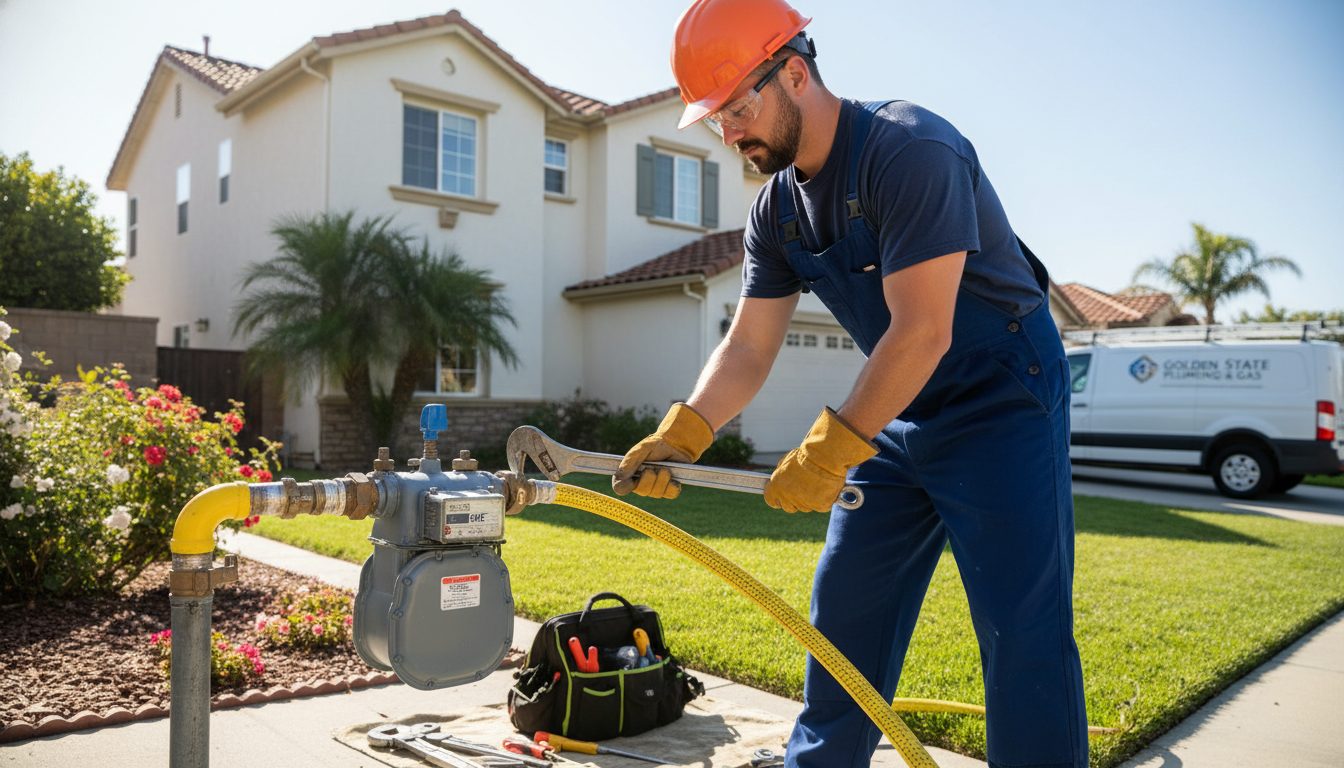
Once the immediate danger has passed and the gas has been shut off, that is when you call a licensed plumber for gas line repair. PG&E will turn off your gas and identify the general area of the leak, but they do not perform repairs on customer-owned lines. That responsibility falls to you and your plumber.
When to Call 911 vs. When to Call a Plumber
Not every gas-related issue requires a 911 call, but it is always better to err on the side of caution. Here is how we advise San Jose homeowners to think about it:
Call 911 immediately if you smell a strong gas odor, hear hissing near a gas line, feel dizzy or nauseous inside your home, or see dirt or debris blowing from the ground. These indicate an active, potentially large leak that poses an immediate danger.
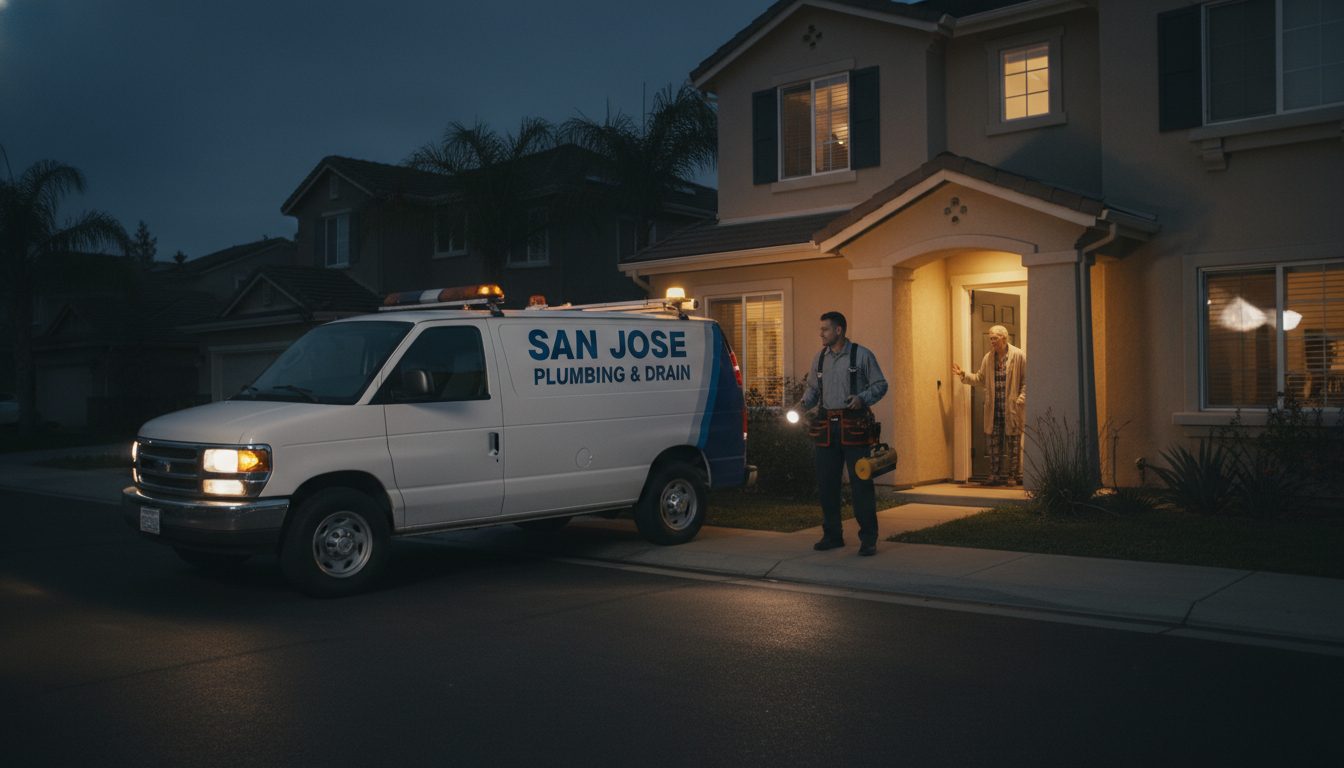
Call a licensed plumber when you notice a faint, intermittent smell near an appliance, your gas bill has spiked without explanation, you see minor corrosion on exposed gas pipes, or an appliance pilot light keeps going out. These situations still require professional attention, but they are typically not immediate emergencies. Our team offers 24/7 plumbing service in San Jose for situations that fall in the gray area.
Gas Line Repair vs. Replacement: Which Do You Need?
The answer depends on the age, material, and condition of your gas lines, as well as the location and severity of the problem. A single leaking joint on an otherwise healthy line is a straightforward repair. But if your home has aging galvanized steel gas lines with multiple corrosion points, a full replacement is the safer and more cost-effective long-term solution.
This decision is similar to what homeowners face with water supply lines. If your water pipes are also old galvanized steel, you may want to consider a whole house repiping project that addresses both systems at once, which can save on labor costs.
| Factor | Gas Line Repair | Gas Line Replacement |
|---|---|---|
| Typical Cost | $200 - $800 | $1,000 - $2,000+ |
| When Needed | Single leak, loose fitting, minor corrosion at one joint | Multiple leaks, widespread corrosion, outdated pipe material, code violations |
| Duration | 1 - 3 hours | 1 - 2 days |
| Warranty | 1 year parts & labor (typical) | 5 - 10 year warranty on new lines |
| Permit Required | Usually not for minor repairs | Yes, City of San Jose permit required |
| Long-Term Value | Good for isolated issues on newer lines | Best for homes with aging infrastructure |
Gas Line Repair Costs in San Jose
Gas line repair costs in San Jose vary significantly depending on the scope of work. Here is what you can realistically expect to pay in 2026:
- Minor repair (tightening or replacing a fitting): $200 - $400
- Moderate repair (replacing a section of pipe): $400 - $800
- Major repair or partial line replacement: $800 - $1,500
- Full gas line replacement (meter to appliance): $1,500 - $2,000+
- New gas line run (for a new appliance like a pool heater or outdoor grill): $500 - $2,000+ depending on distance and complexity
These prices include labor, materials, and basic testing. Permits, if required, typically add $100 to $300 in San Jose. Emergency and after-hours service may carry a surcharge of $100 to $200, though many plumbers waive this for existing customers.
If you are planning any repiping work, it is worth getting a combined estimate. For example, if you are already investing in PEX repiping for your water lines, adding gas line upgrades to the same project often reduces the total cost compared to doing them separately. Use our repiping cost calculator to get a ballpark estimate for your home.
Permits and Code Requirements in San Jose
Gas work in San Jose is regulated by the City of San Jose Department of Planning, Building and Code Enforcement. The rules are straightforward but important:
- A plumbing permit is required for any new gas line installation, gas line replacement, or relocation of a gas line.
- Minor repairs such as tightening fittings or replacing a valve typically do not require a permit, but the work must still comply with current California Plumbing Code.
- All gas line work must be performed by a licensed contractor with the appropriate C-36 (plumbing) classification.
- After installation or replacement, a pressure test is required, and the work must pass a city inspection before gas can be turned back on.
- If your gas line runs underground, the contractor must call 811 (DigAlert) before excavation to locate other underground utilities.
We handle the permit application and scheduling of inspections for our San Jose customers as part of any gas line replacement project. It is one less thing for you to worry about during what is already a stressful situation.
Annual Gas Line Inspection Tips
Prevention is always cheaper than emergency repair. We recommend every San Jose homeowner perform a basic annual gas line check. You do not need specialized equipment for most of this. Here is what to look for:
- Visual inspection: Look at all visible gas pipes in your home, particularly in the garage, basement, and near the water heater and furnace. Check for rust, corrosion, or green patina on fittings.
- Smell test: Walk slowly along gas pipe runs and near appliance connections. If you detect even a faint sulfur odor, call a plumber.
- Soapy water test: Mix dish soap with water and apply it to gas pipe joints and connections. If you see bubbles forming, gas is escaping at that point.
- Appliance check: Make sure pilot lights are blue, not yellow or orange. A yellow flame indicates incomplete combustion and possible venting issues.
- Outdoor check: Walk your yard above any buried gas lines. Look for dead vegetation, unusual hissing, or settling soil.
- Install a gas detector: For about $30 to $50, a plug-in natural gas detector adds a layer of protection, especially near your water heater and furnace.
For a professional-grade inspection, we offer comprehensive gas line assessments that include electronic leak detection and pressure testing. This is especially worthwhile for homes built before 1980 that may still have original gas lines.
Choosing a Gas Line Repair Professional in San Jose
Gas line work is not a place to cut corners. When hiring a plumber for gas line repair in San Jose, verify the following:
- They hold a valid C-36 plumbing license from the California Contractors State License Board.
- They carry liability insurance and workers' compensation coverage.
- They will pull permits when required and schedule city inspections.
- They provide a written estimate before starting work.
- They perform a pressure test after any repair or replacement to confirm the line is leak-free.
At San Jose Pro Plumbing, we meet all of these criteria. Our team has extensive experience with gas line repair, replacement, and new installations across San Jose neighborhoods from Willow Glen to Berryessa. Whether you need a quick fitting repair or a complete gas line overhaul, we provide transparent pricing and stand behind our work. If you are also dealing with water pipe issues, our copper repiping services can be bundled with gas line work for maximum efficiency.